
Taper vs Fade – Difference & Which One is Right for You?
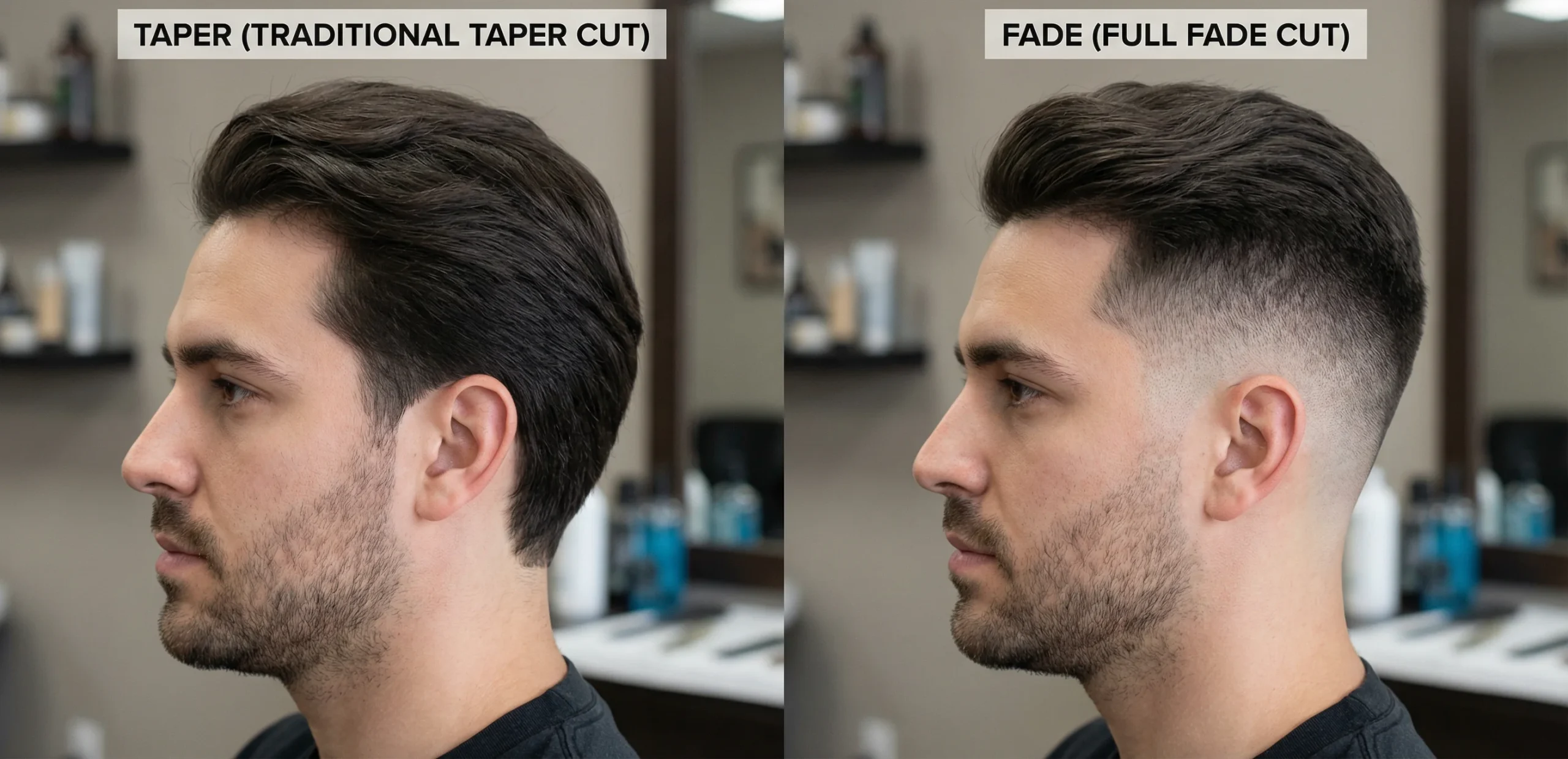
Do you also get confused between a taper and a fade when stepping into the barbershop? Well, you are not alone; many people, even barbers, sometimes use these terms interchangeably. At first glance, both the tapers and fades appear the same, but both haircuts create distinctly different appearances.
Both haircuts are very popular among men of almost all ages, but how do you choose which one is best for you? Understanding the key differences between tapers and fades is essential to get the exact look you want. In both haircuts, the hair is shortened gradually from the top of the head downwards at the back and around the ears.
You must have heard about the taper fades? You can assume these two styles are separated children of taper fade. This is a comprehensive guide to taper vs fades, where we will break down the key differences between the two, pros and cons, and help you choose the best for your hair type and face shape.
What Is A Taper?
A taper is a classic haircut for men, where the hair is left long on the top and shortened on the sides and back. Hair is shortened gradually from the top of the head towards the bottom. The main focus is on hair trimming around the ears and on the back to achieve a clean, sleek finish. This technique creates a polished and subtle transition in hair length.
The gradual shortening of hair around the edges is the key characteristic of a taper hairstyle. This change is prominent but not dramatic or drastic.
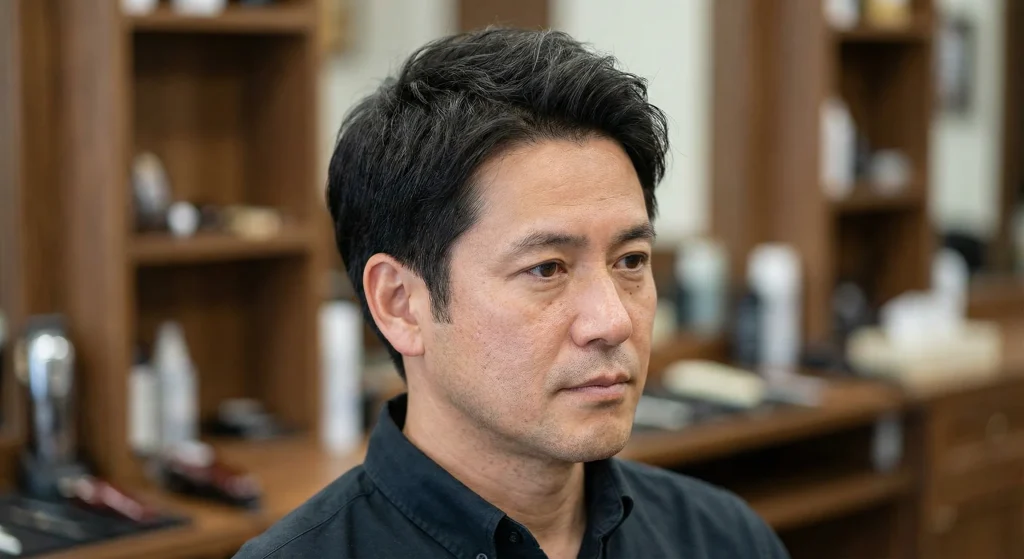
Taper hairstyles suit almost all hair types, including wavy, curly, and straight hair. They also suit almost all face shapes, from oval or round to square faces. The haircut is best for professional and corporate environments where a conservative dress code is preferred, as it offers a sharp, clean appearance without being overly bold.
Key Features of a Taper Haircut
Popular Taper Styles
The start point of the taper on the top defines the type of taper. There are three Main types of tapers on this basis (low taper, mid taper, and high taper). But we’ll discuss all the types which are trending in the market.
Classic Taper
A classic taper maintains a conservative look by gradually decreasing the length of hair from the top downwards, while the sides and back hair are trimmed.
High Taper
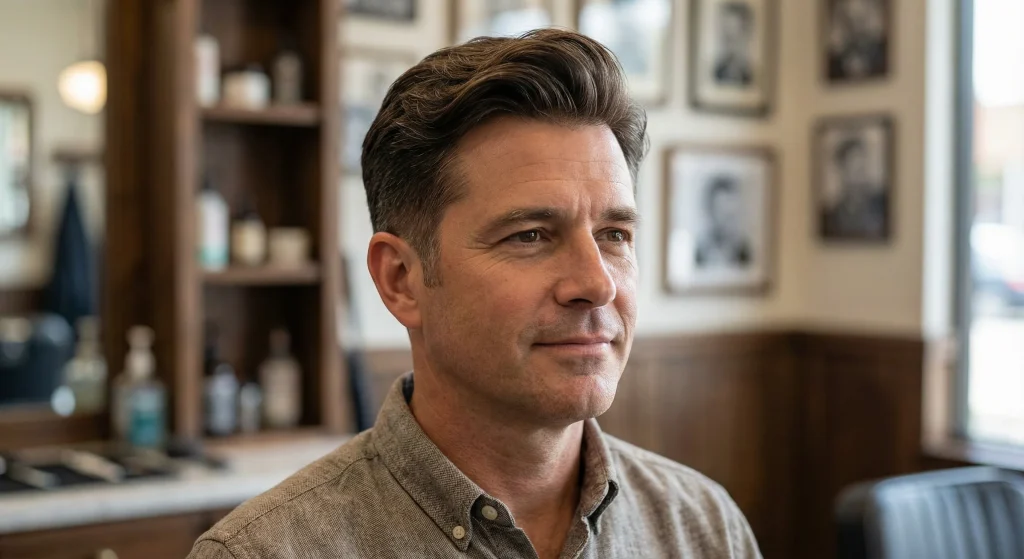
The most noticeable taper is a high taper, as the tapering of hair starts very high on the top of the head, usually 2 to 3 inches above the ears.
Mid Taper
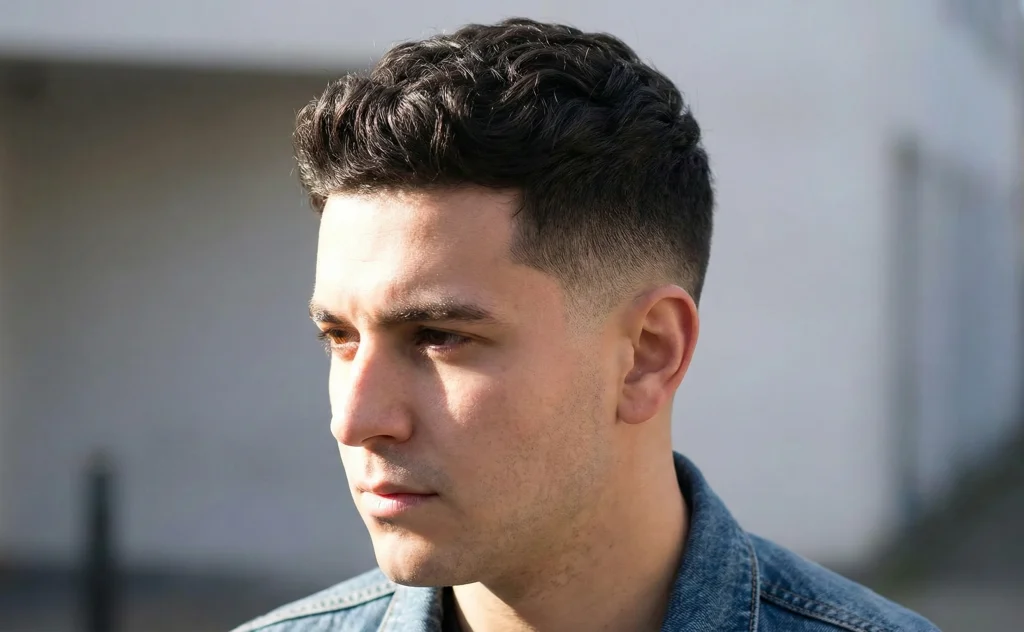
A mid taper is between a low and high taper, where the tapering is typically around the temples.
Low Taper
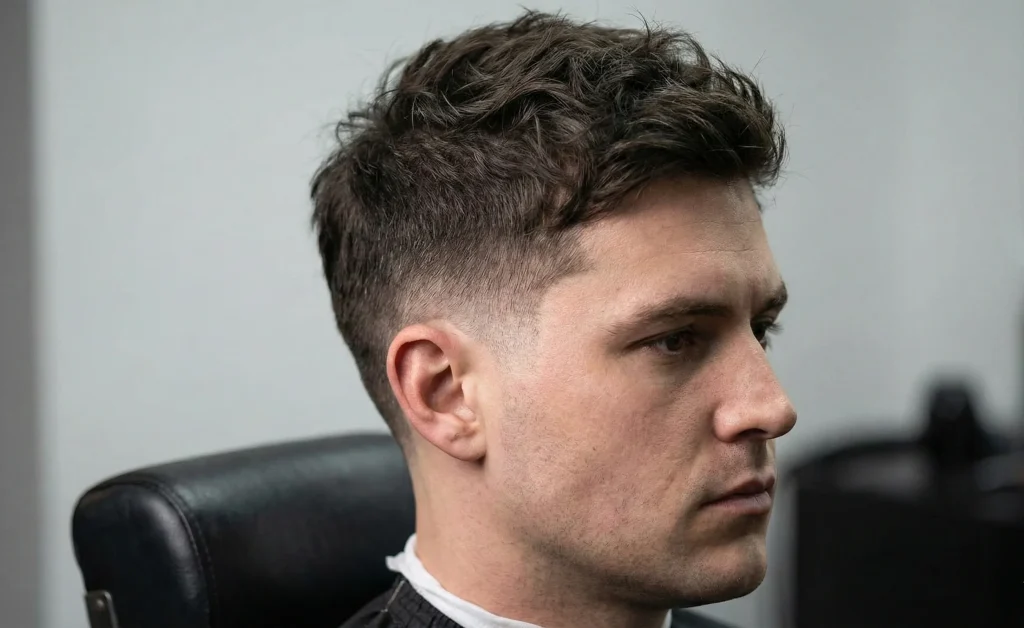
The low tapers are least noticeable, as the tapering of hair starts comparatively lower, just above the ears.
Neckline Taper
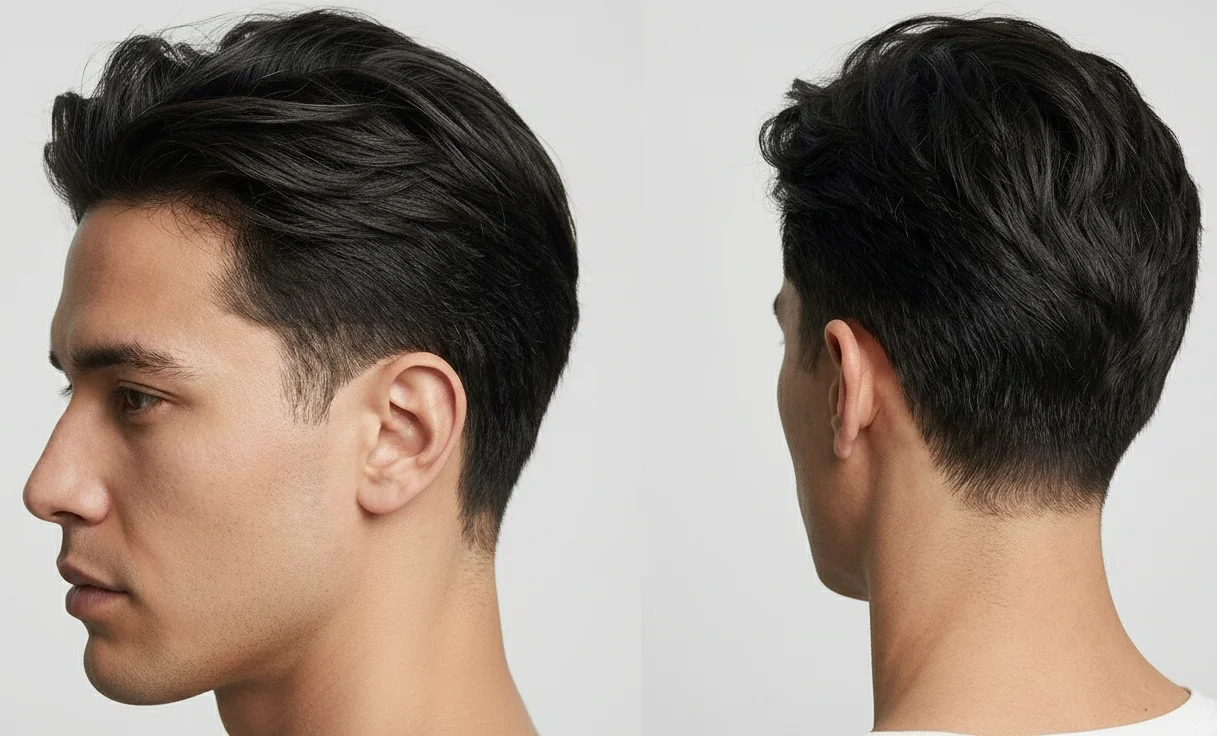
In a neckline taper, the hair is tapered at the back of the neck, creating a clean and well-defined neckline.
Undercut Taper
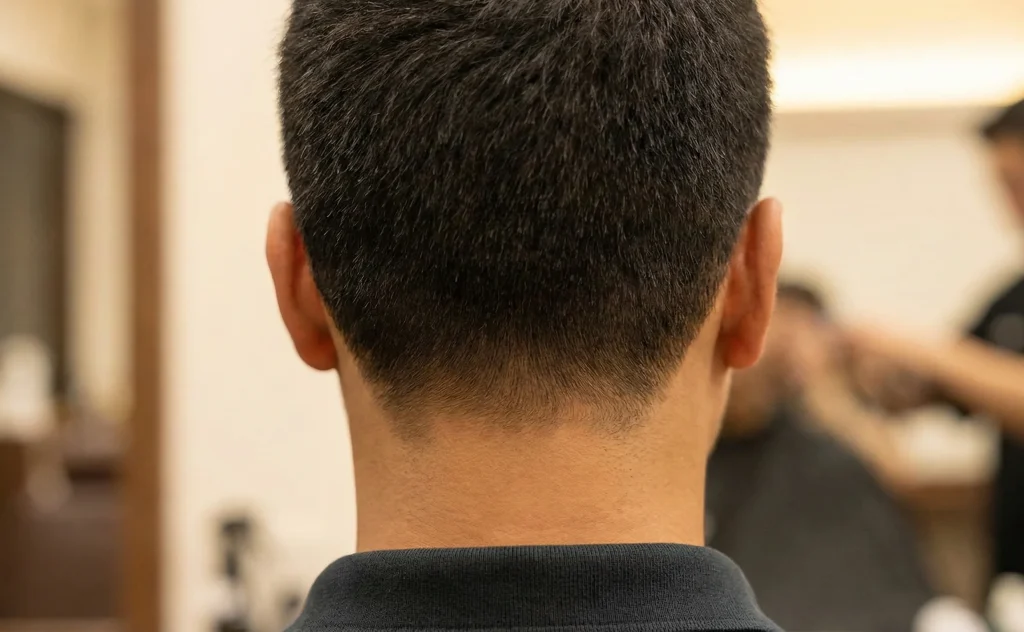
In an undercut taper haircut, hair on the sides and back of the head is buzzed or shaved, while on the top, hair is left longer.
What Is A Fade?
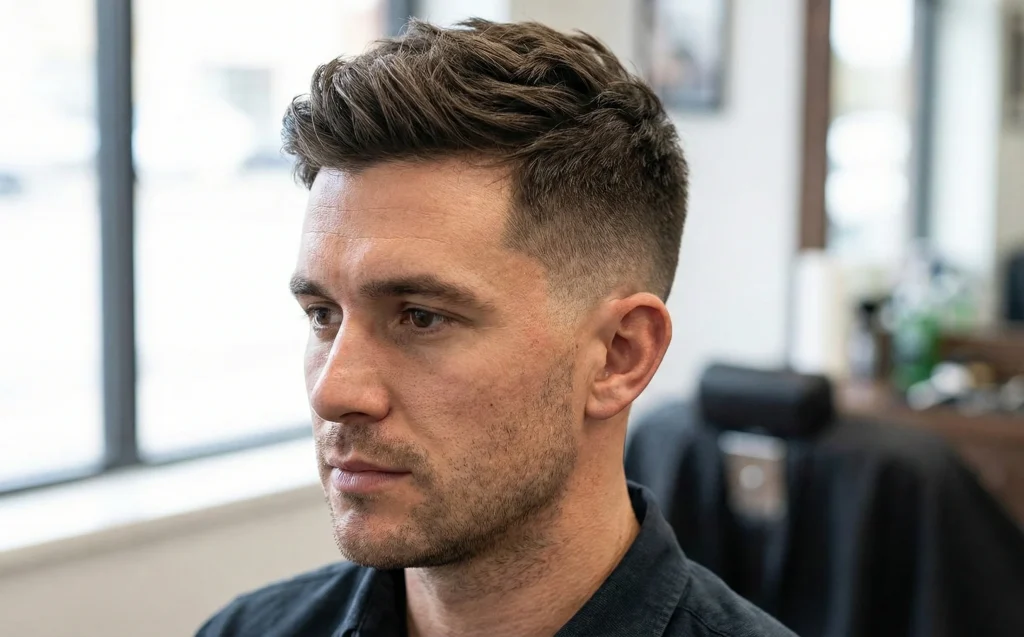
A fade is actually a more dramatic and intense version of a taper haircut. Hair blends downwards to the skin smoothly in faded haircuts to create a strong contrast. The term fade is derived from the concept of hair fading seamlessly into skin. This is a modern hairstyle that makes a bold statement, popular in urban fashion. The hair shortens gradually, just like tapers, but normally goes very short towards the bottom, fading into the skin.
The key characteristic of a faded cut is a clean and sharp transition of longer hair into bare skin. The blending of hair into skin itself creates a strong, high contrast effect that appears very eye-catching. Fades are usually less subtle and more attention-seeking compared to traditional tapers. A fade cut requires more frequent maintenance than tapers, but offers an aesthetic and trendy look.
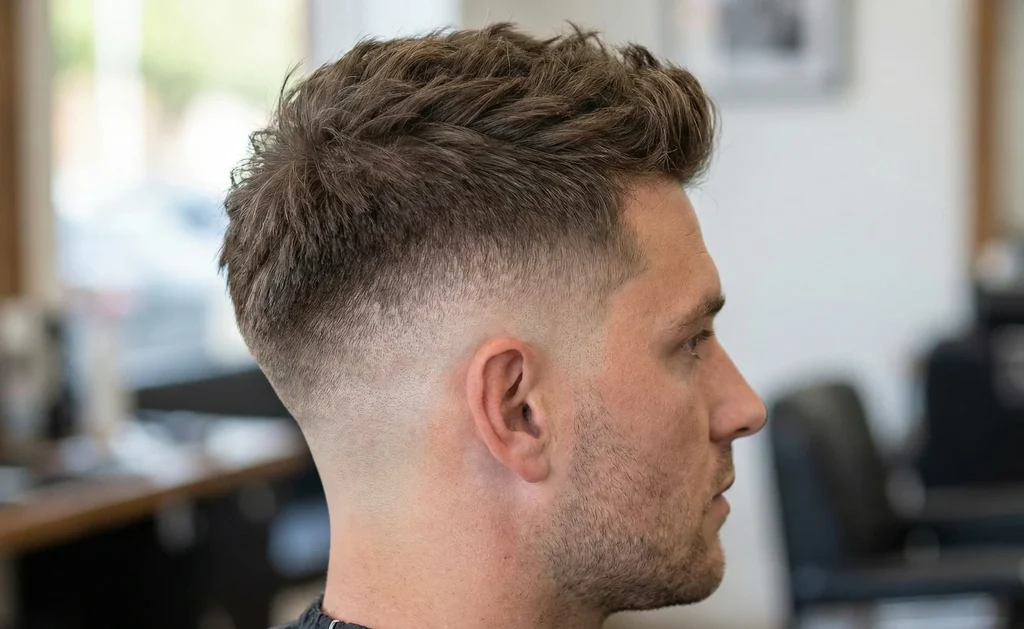
Fades look better with thick hair that has the ability to create a stronger contrast. The fades add definition to heart, oval, and square faces, particularly. This style boasts confidence and boldness. It is a favourite for people having a bold and fashion forward personal style.
Key Features of a Fade Haircut
Popular Fade Styles
There are many types of fades, varying in styling. High fades, mid fades, and low fades are types based on the start point of the fade on the top of the head. Popular types include skin fade, bald fade, and a high fade. Drop fade, temple fade, and burst fade are comparatively more creative variations of faded cuts. Each type provides a unique way to wear this sleek look.
High Fade
A high fade starts high on the top of the head, usually 2-3 inches above the ears.
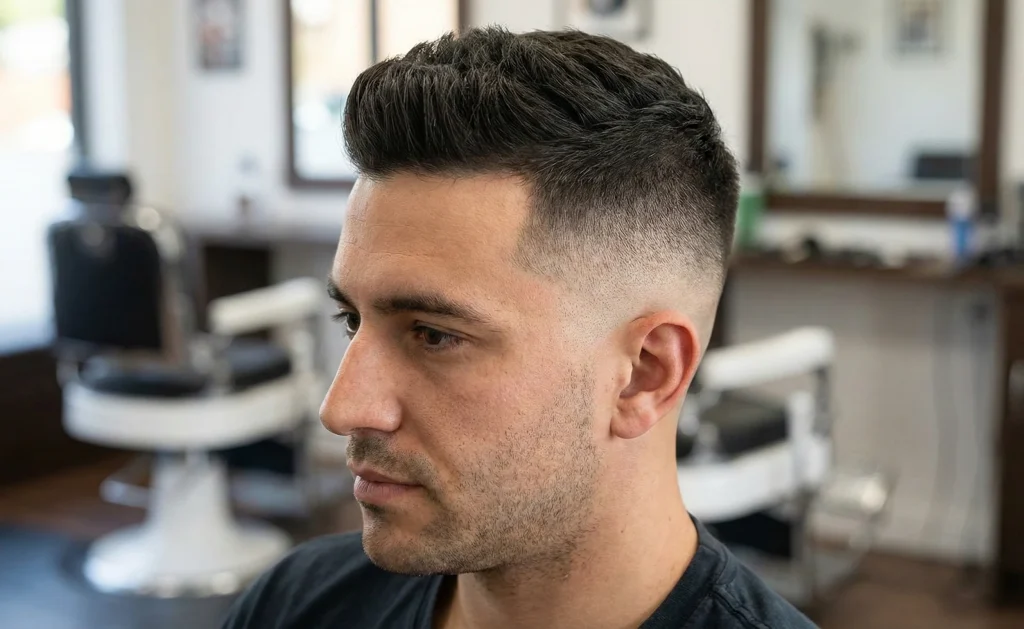
Mid Fade
Fading starts around the temples
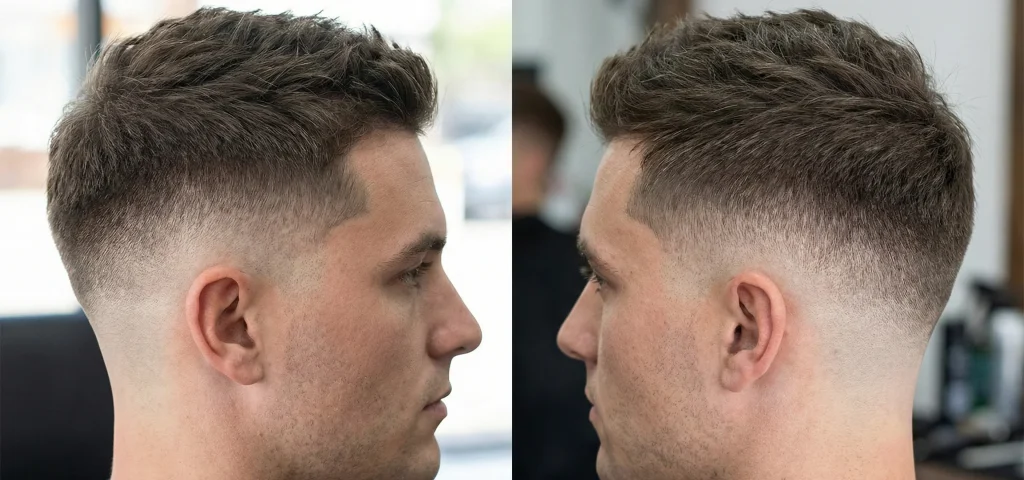
Low Fade
A low fade starts just above the ears.
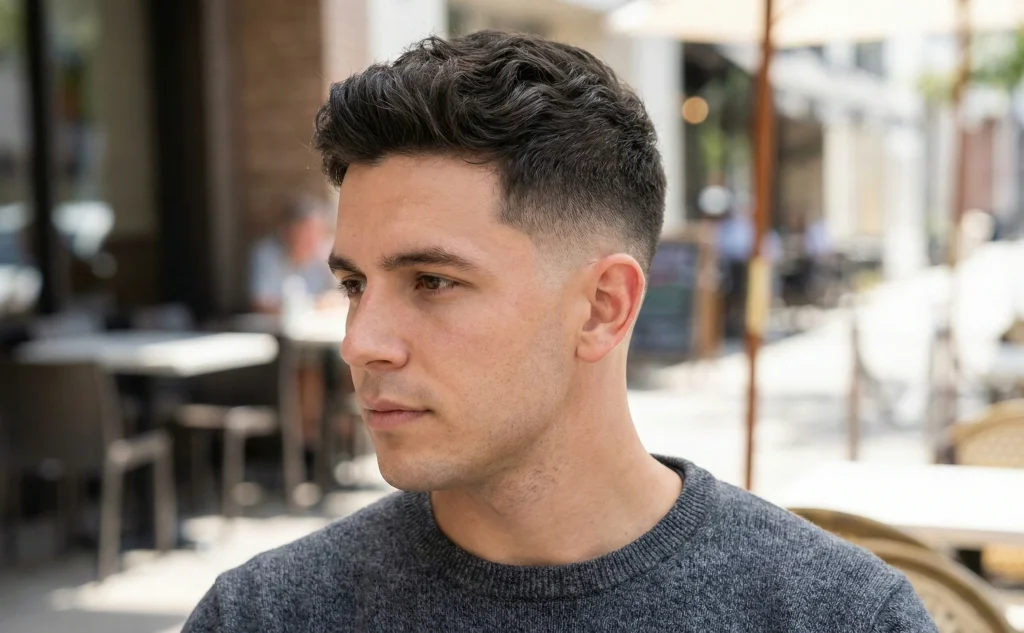
Burst Fade
This version curves around and ends behind the ear, creating a unique semi-circle or “burst” shape.
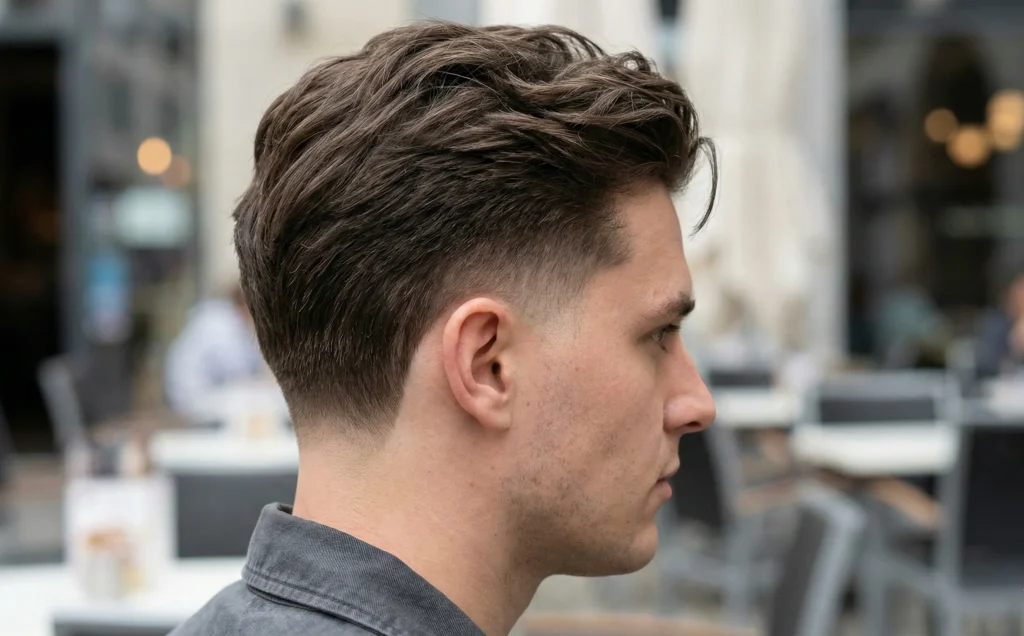
Temple Fade
It blends near the front of the sides and in the temple area.

Skin Fade
The hair is buzzed down to the skin at the bottom of the head.
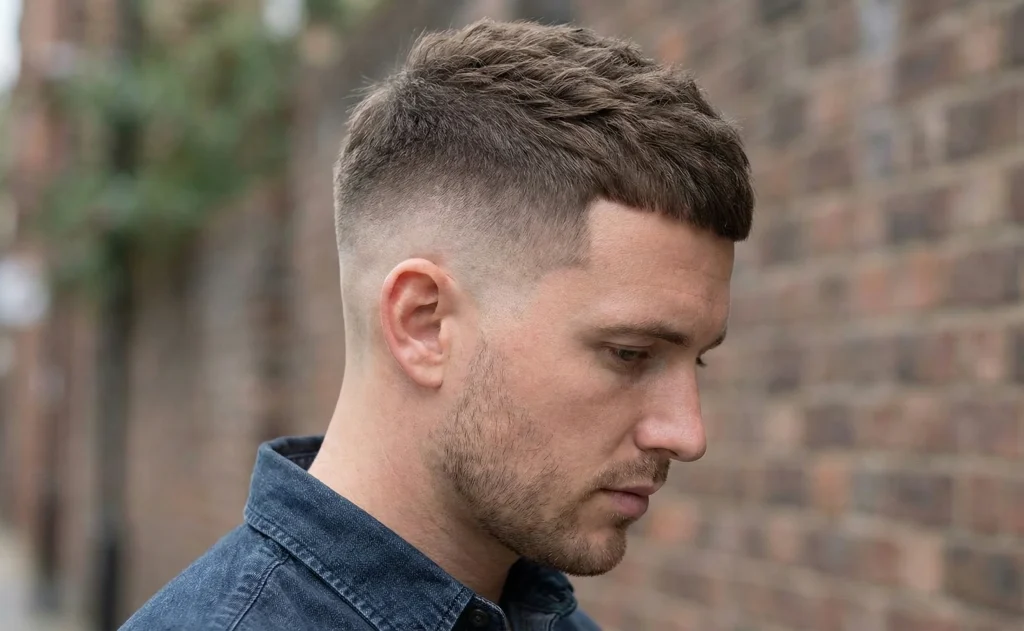
Drop Fade
This fade doesn’t follow a straight line but a curve around the ears and down the back, creating a fresh dimension and trendier look.
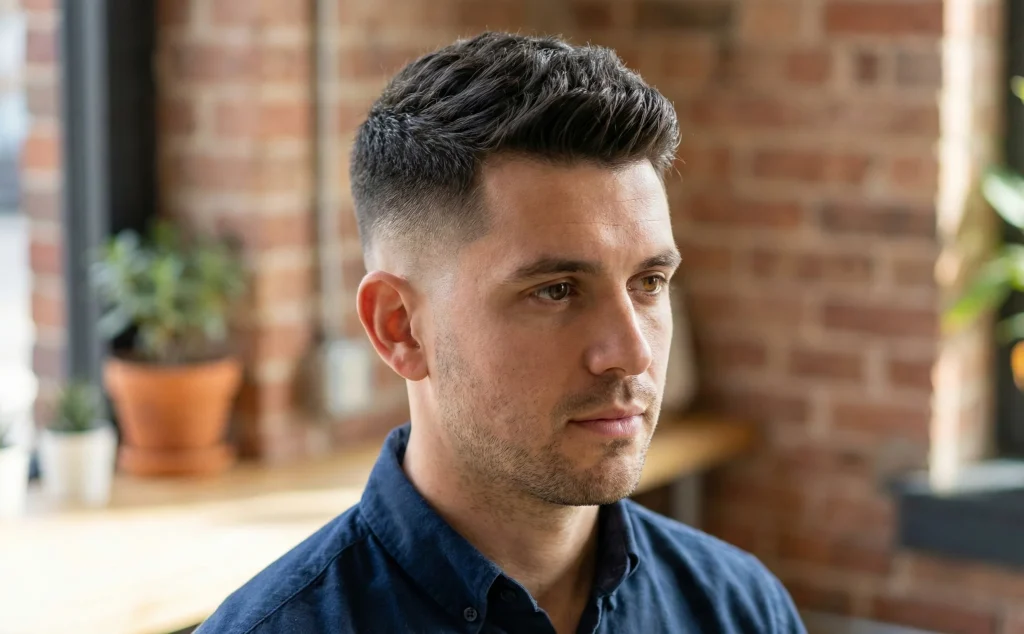
Taper Vs Fade – Key Differences
The main differences between taper and fade haircuts are broken down in the following table.
Feature | Taper Haircut | Fade Haircut |
Definition | Gradual shortening of hair length from top to bottom. | Hair is blended down to the skin for a strong contrast. |
Skin Exposure | Little to no skin is exposed; hair remains at all lengths. | Always exposes the skin at the bottom of the blend. |
Contrast Level | Subtle, low-contrast, and natural-looking transition. | High-contrast, dramatic, and sharp transition. |
Style Vibe | Classic, professional, versatile, and timeless. | Modern, bold, edgy, and statement-making. |
Length Change | Gradual and longer length maintained. | Sharp and quick change in length. |
Maintenance | Lower maintenance; can go 4-6 weeks between cuts. | Higher maintenance; requires a trim every 2-3 weeks. |
Best For | Professional settings, low-key style, all hair types. | Fashion-forward looks, thick hair, frequent salon visits. |
Taper Vs Fade – Which One Should You Choose?
Both haircuts are amazing, so it is difficult to say any one of the better than the other. Actually, there is no better, it is basically a personal decision. Choosing between a taper and a fade depends on three factors: the hair type, desired contrast to complement your hairstyle, and time or money for maintenance at the barbershop.
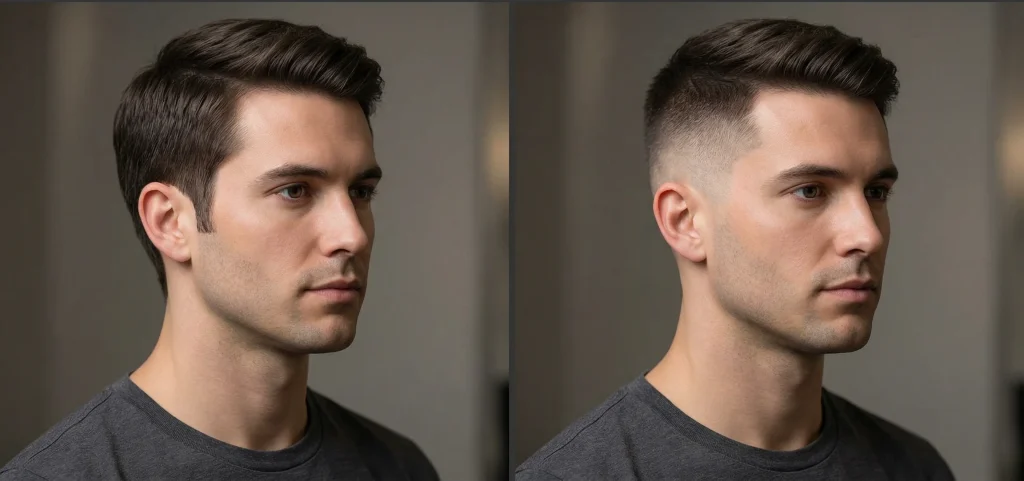
Choosing between taper vs fade also comes down to your personal preferences. Your natural hair type, along with the shape of your face, also influences your choice of haircut. Professional life and daily lifestyle also affect the decision.
Factor | Taper Haircut | Fade Haircut |
Face Shape | Suits best on square or rectangular faces. These haircuts softens strong jawlines. Versatile for most shapes. | Perfect for round or oval faces, it adds definition and structure. Creates a more angular look. |
Hair Type | Excellent for thin or fine hair. It adds the illusion of fullness. Great for curly hair to maintain a clean shape. | Best for thick or coarse hair. It can handle the dramatic shift. Works well with straight hair for sharp definition. |
Lifestyle & Profession | Perfect for professional, corporate environments and conservative dress codes. A polished, timeless look. | Suits creative industries, casual settings, and fashion-forward styles. Makes a bold statement. |
Maintenance Preference | Lower maintenance. grows out naturally and can go longer between barber visits (4-6 weeks). | Higher maintenance. requires frequent trims to maintain the sharp look (every 2-3 weeks). |
Conclusion
Choosing the right haircut is difficult, as the hair defines your personality. Proper research and homework before going to a barber is, therefore, crucial. A taper has a more subtle and classic transition of hair, while the fade is a high contrast, bold haircut. You can choose the best for you according to your hair type, face shape, and personal preferences.
If you want a more classic and versatile haircut that looks professional and is low maintenance, go for a taper. On the other hand, if you want a modern, high-contrast and bold hairstyle, choose the fades. Fades are for the men young at heart. Both hairstyles are excellent choices if the proper technique is executed by the barber.
Ready to get your new haircut? Checkout our website to get more inspiration about haircuts and find the perfect haircut for yourself!
