
Taper Fade vs Drop Fade – Which Hairstyle is Right for You?
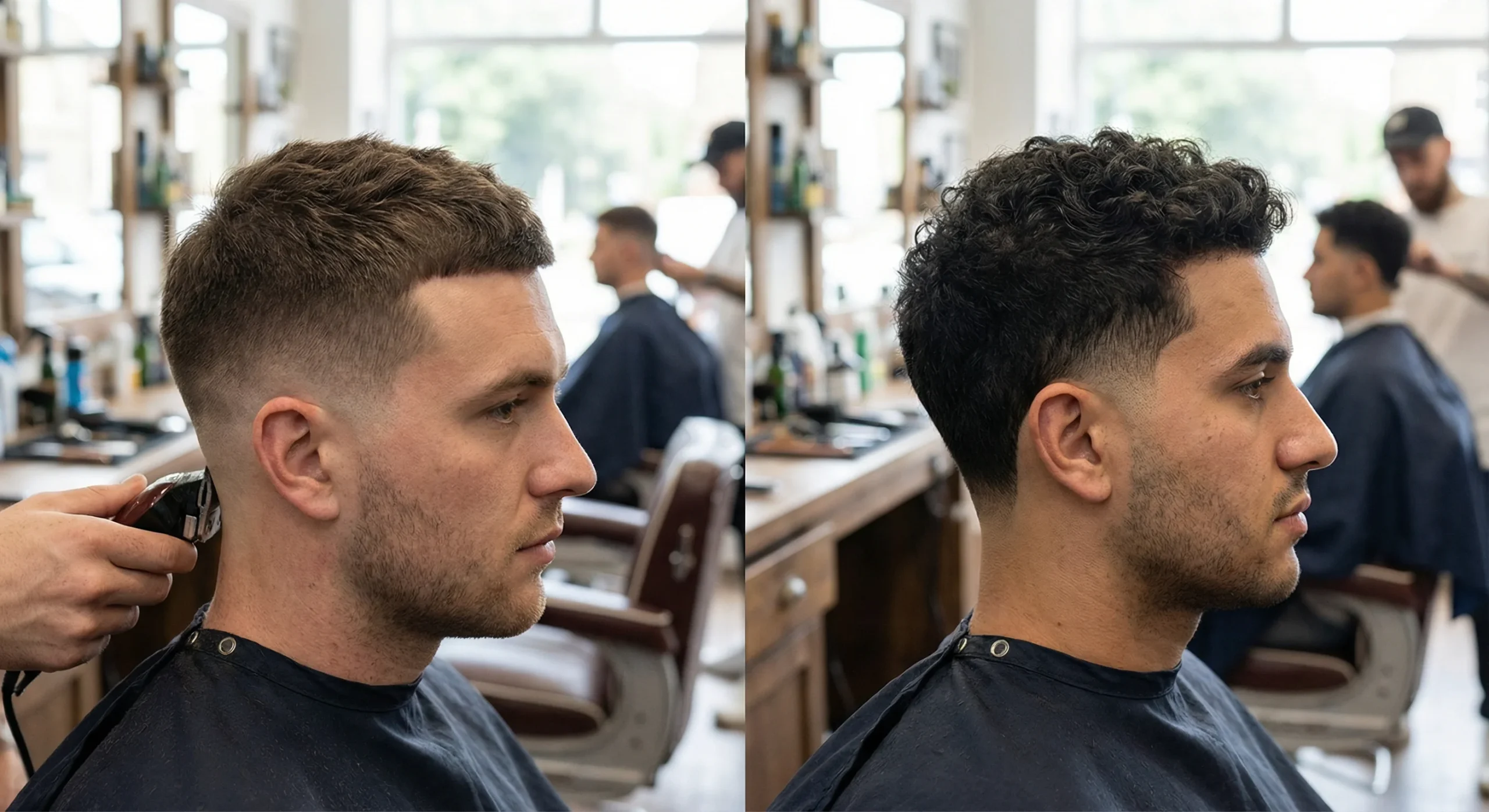
Are you confused about what to choose between drop fade and taper fade? No doubt taper fade vs drop fade are tough to choose from. These two are the trendiest hairstyles of 2026. These two terms are often used interchangeably, but if you have ever compared a taper fade vs a drop fade, you must know there are prominent differences in shape, contrast and upkeep of both.
Although there are many similarities, they are two distinct haircuts with core differences. Choosing the suitable hairstyle for yourself can be a tricky task, as both are versatile and amazing haircuts. There is no one-size-fits-all answer, as there must be a right fit for you.
We will help you choose the best fit for yourself. This comprehensive article breaks down the key differences between a taper fade and a drop fade, benefits and styling tips for both haircuts.
What is a Taper Fade?
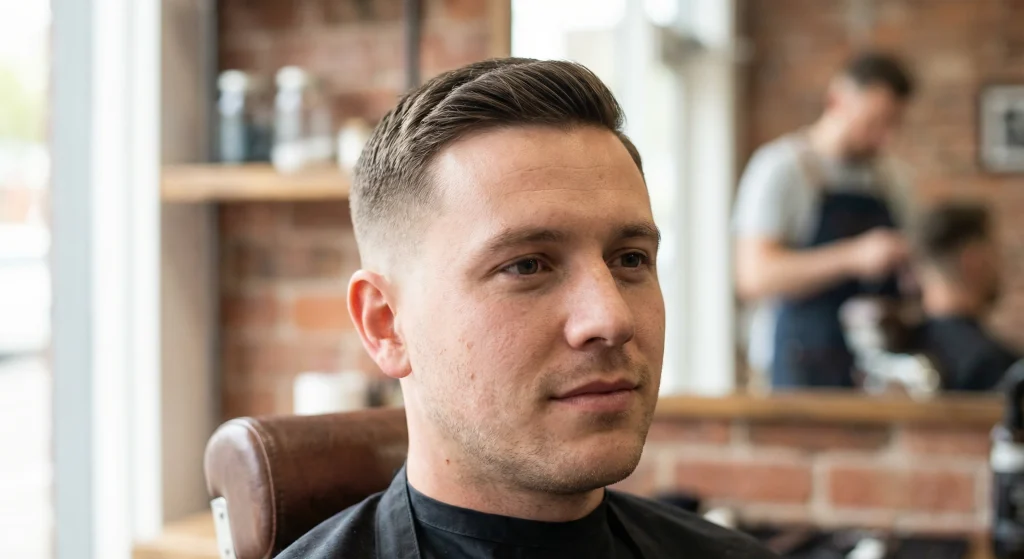
A Taper fade is the most stylish and neat haircut with a combination of style and class. Whether you have professional or casual demands, taper fades are the ultimate choice.
The gradual transition in the hair length from top to bottom is a key characteristic of Taper. It is more noticeable from the sideburns and the neckline. Whereas a fade is an intensified version of tapers. It curves the whole head and terminates above the natural hairline, where it smoothly blends with the skin.
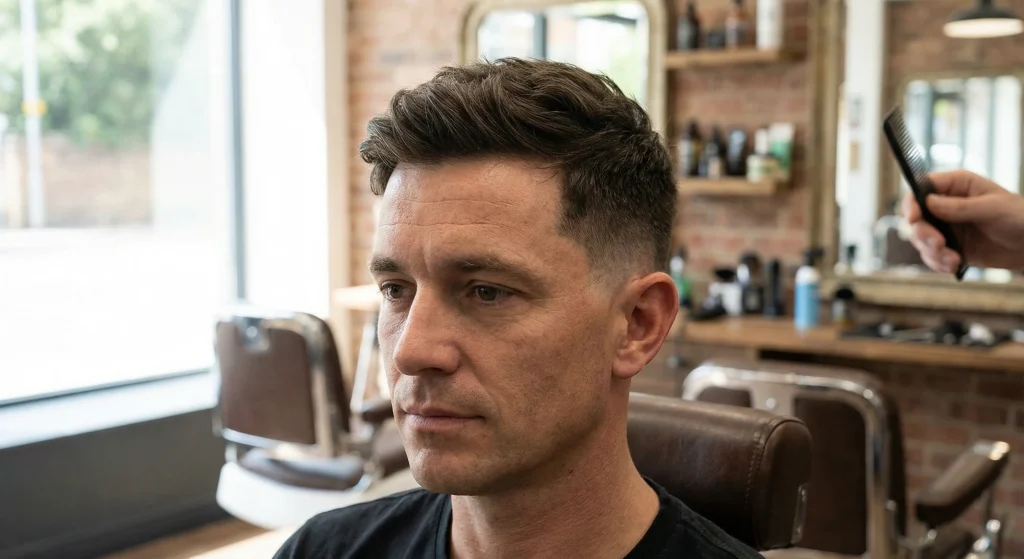
The key characteristic is its smooth and consistent fade line that encircles the head without making dramatic changes in hair length. The taper fade originated through a combination of both these barbering techniques over a period of time. The transition from longer to shorter hair is gradual from the top of the head downwards. The hair on the back and sides is cut with clippers and is shorter, whereas the hair on top is left comparatively longer. This gives a sharp and clean look, which is both classic and modern.
The taper fades are extremely adaptable, and this flexibility of customization makes them the trendiest, versatile haircut of modern day. It suits best with straight, curly, wavy, and coiled hair. Plus, it keeps the sides clean without a full shave or buzz haircut.
Key Characteristics
Soft and seamless | |
Looks good for 3-4 weeks | |
Suits short and medium-length hair | |
Adds definition to long, square and oval faces. The taper fades are suitable for people working in conservative environments. This is a classic hairstyle for professional settings. | |
The fade line blends gradually and smoothly without making any drastic changes in hair length transition. |
Types of Taper Fade Haircuts
There are three types of taper fades based on the start point of the fade.
Low
In a low taper fade, the blend point is just above the earline. It is the smoothest and classic type of taper fade with the easiest maintenance.
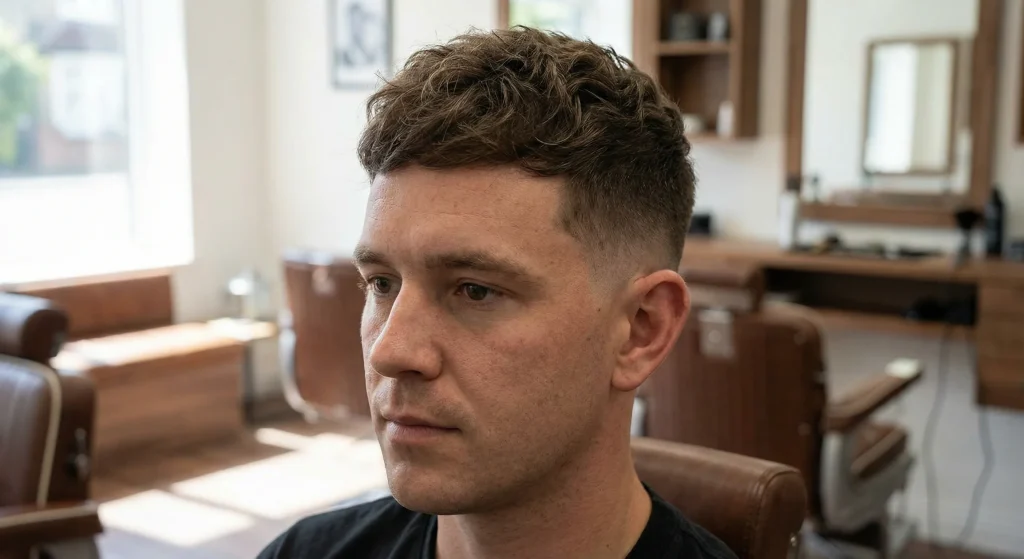
Mid
The blending point of a mid taper fade begins an inch above the ears, and fades gradually up to the eyeline.
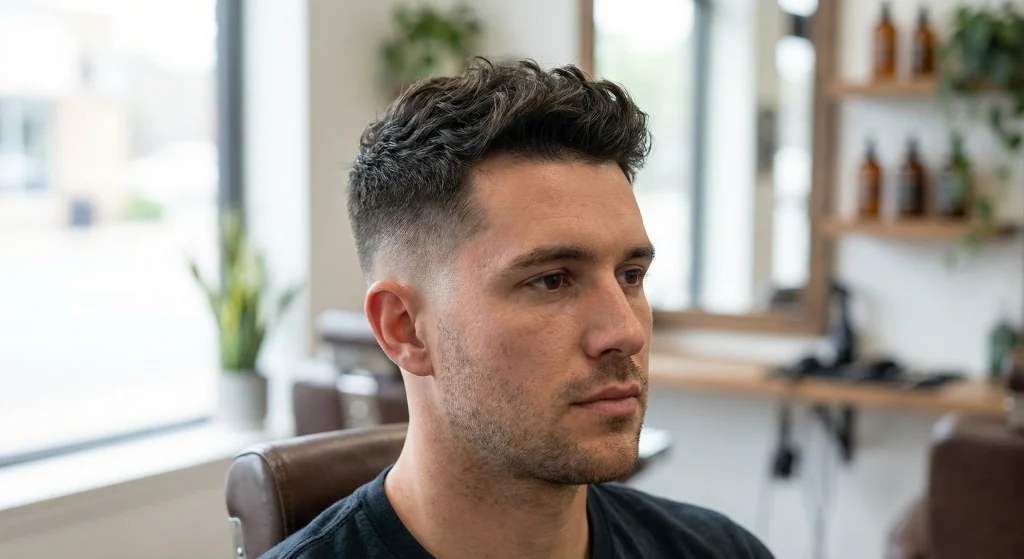
High
The blend point starts almost 2 inches from the hairline, and tapers down on the back and sides. High taper fade is the most dramatic and bold form of taper fades.
What is a Drop Fade?
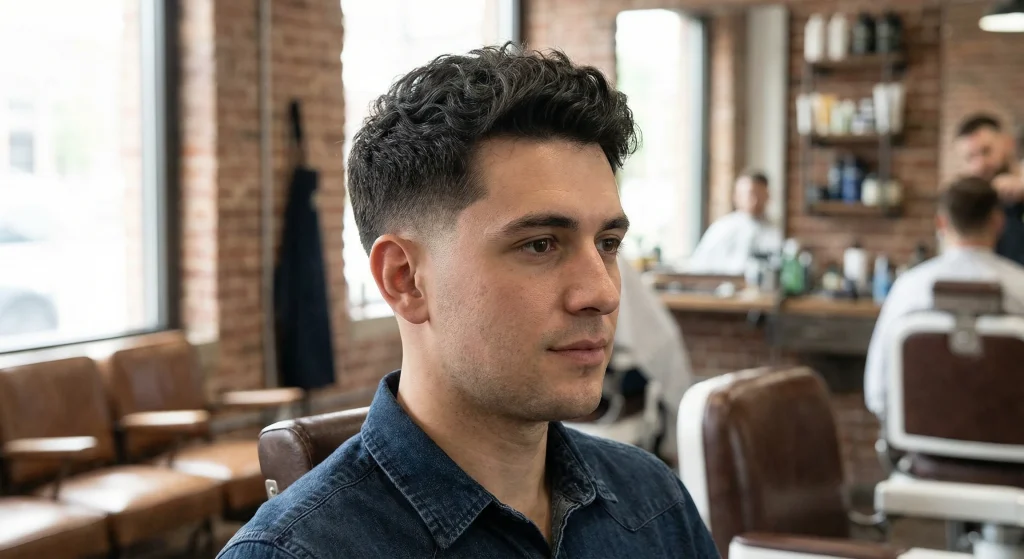
In a drop fade haircut, the fade line curves down (or drops) behind the ears, creating a prominent arc down the neckline. This curve, unlike the straight fade line of a taper fade, follows the natural shape of the head which creates a bold & more sculpted look.
The distinctive curved fade line creates a sharp contrast and dramatic transition, which requires more frequent maintenance to keep the crispness of the fade line. Hair length transitions abruptly along the curved path which adds a more dynamic and bold statement.
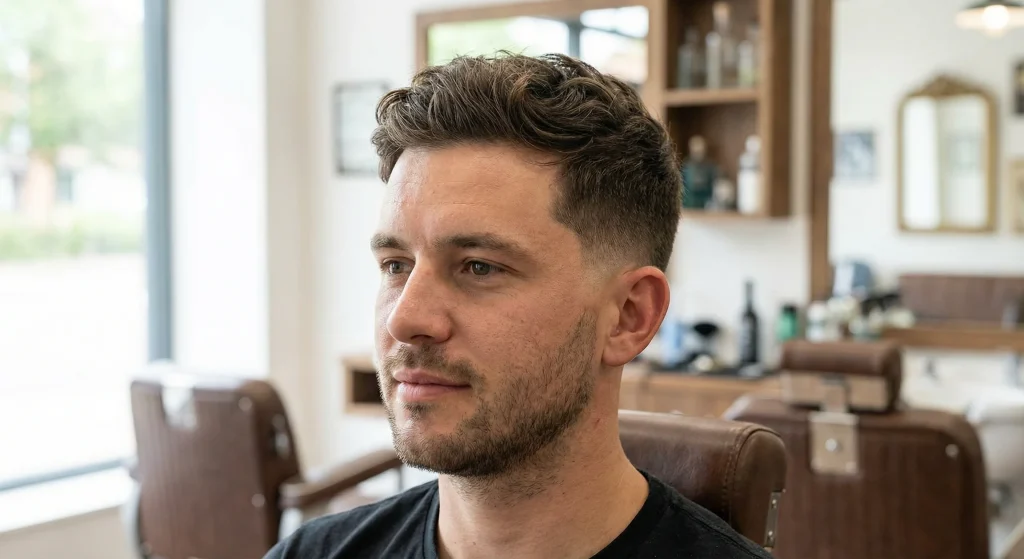
This hairstyle suits best with straight and thick hair, which can flaunt the curved arc prominently. They add fine definition to round and oval face shapes. Individuals wishing for a bold, confident and more fashion-forward style should opt for a drop fade haircut.
Key Characteristics of Drop fade
A curved fade line that drops behind the ears and fades sharply into the neckline. | |
Drop fades have a sharp contrast, which requires more frequent visits to the barbershop for good maintenance. | |
There is a strong and sharp contrast between the top hair and faded sides, creating a bold haircut. | |
It pairs well with thick and bulky hairstyles, such as pompadours, faux hawks, and textured crops. | |
Thick, straight hair and round, oval, heart-shaped faces. A drop fade haircut suits people with a bold and confident vibe. |
Types of Drop Fade Haircuts
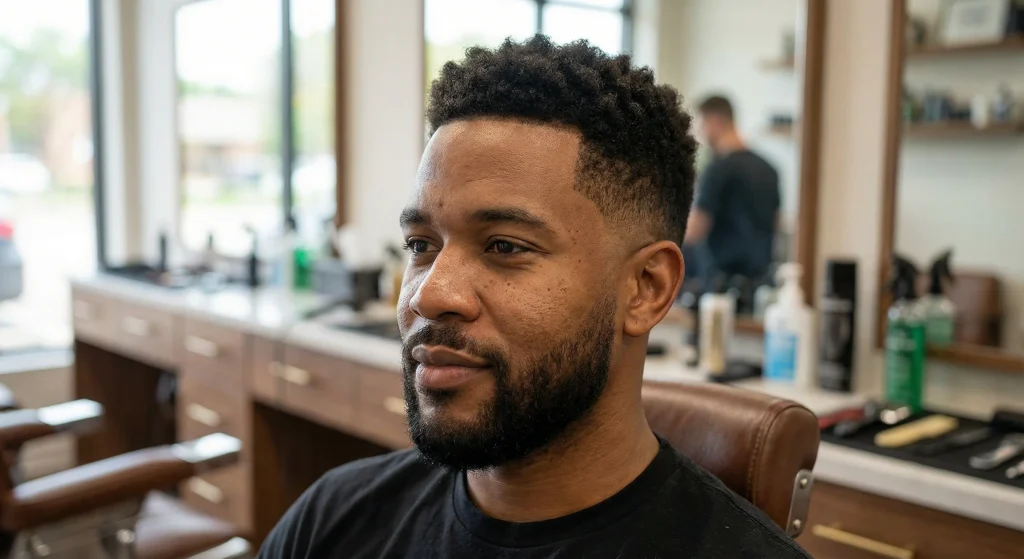
Low Drop Fade
It starts very low on the head, just above the ears, near the nape of the neck. A gradual drop in the fade curve, which follows the natural hairline.
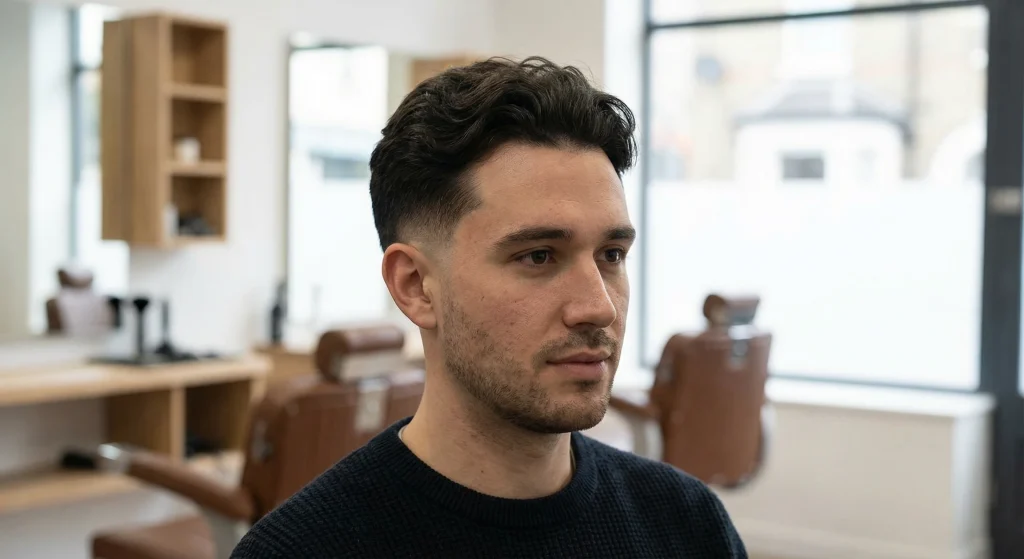
Mid Drop Fade
The fade starts at the temples around the middle of the head which creates a more pronounced arc than a low fade.
High Drop Fade
In a high drop fade, the fade starts very high on the head. The fade line drops dramatically on the sides and back down to the ears and nape of the neck.
Burst Drop Fade
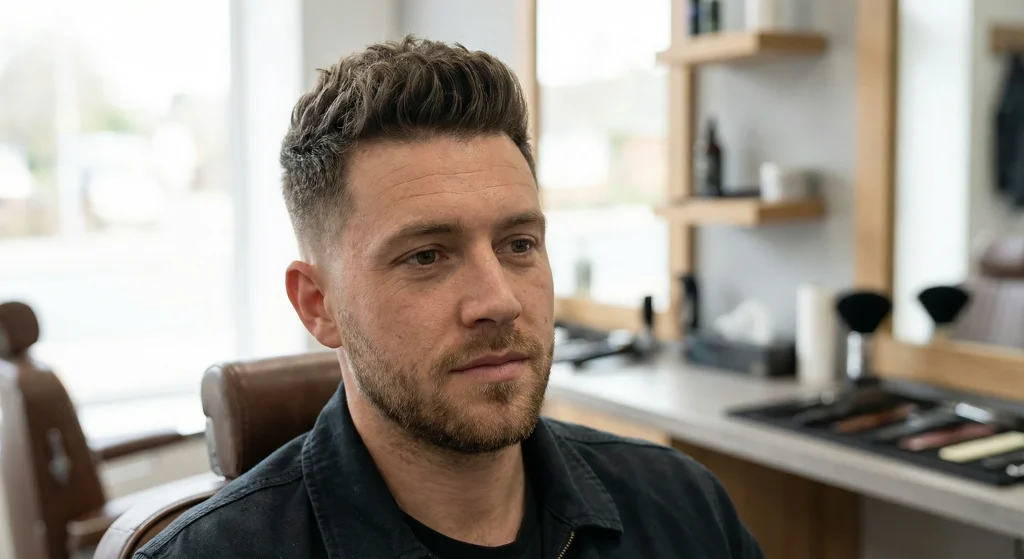
Burst drop fade is more about the pattern of fade than the height of fade. The fade is in a circular (or bursting) pattern around the ear, connecting to the dropped fade down the neck. It appears like the fade is bursting out of the ears.
Taper Fade vs Drop Fade (Differences)
Feature | Taper Fade | Drop Fade |
Fade Placement | Gradual fade that tapers evenly on the sides and back. | Fade “drops” lower behind the ear, creating a curved arc. |
Overall Look | Clean, subtle, and natural. | Bold, stylish, and more dramatic. |
Contrast Level | Medium, consistent contrast. | High, dramatic contrast, especially at the back. |
Best For | Professional and casual settings (very versatile). | Trendy, modern looks and fashion-forward styles. |
Face Shapes | Works with almost all face shapes. | Best for round or square faces (adds contour). |
Hair Types | Suitable for straight, wavy, or curly hair. | Works best with thicker, curly, or textured hair. |
Maintenance | Low – can grow out naturally without looking messy. | Medium – needs sharper touch-ups to maintain the curved fade. |
Styling Options | Blends easily with classic cuts and conservative styles. | Often paired with modern cuts like mohawks, curls, or creative designs. |
Conclusion
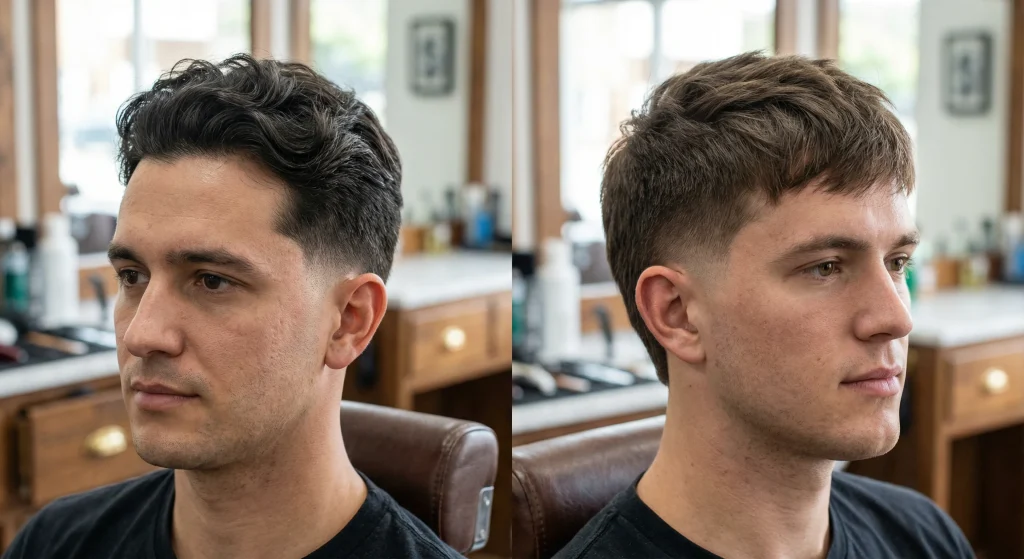
The taper fade and drop fade are the trendiest hairstyles of the modern age. Choosing the best fit for you depends upon your personal preferences, hair type & face shape, and your professional life. Taper fades offer a versatile, classic, and neat look that is suitable for professional and conservative environments. The drop fade is a bold and dramatic haircut which fits in modern settings.
